Synopsis
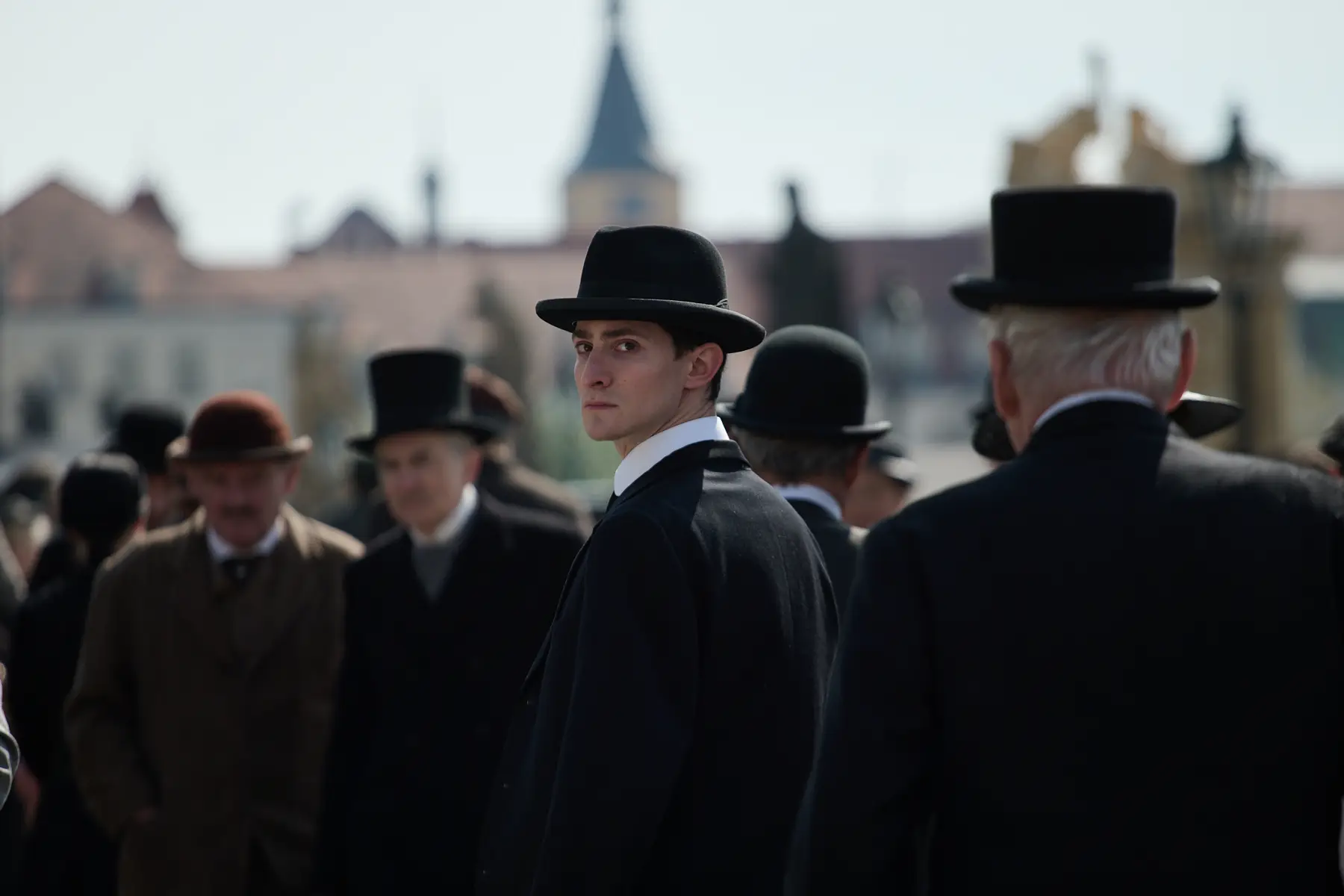
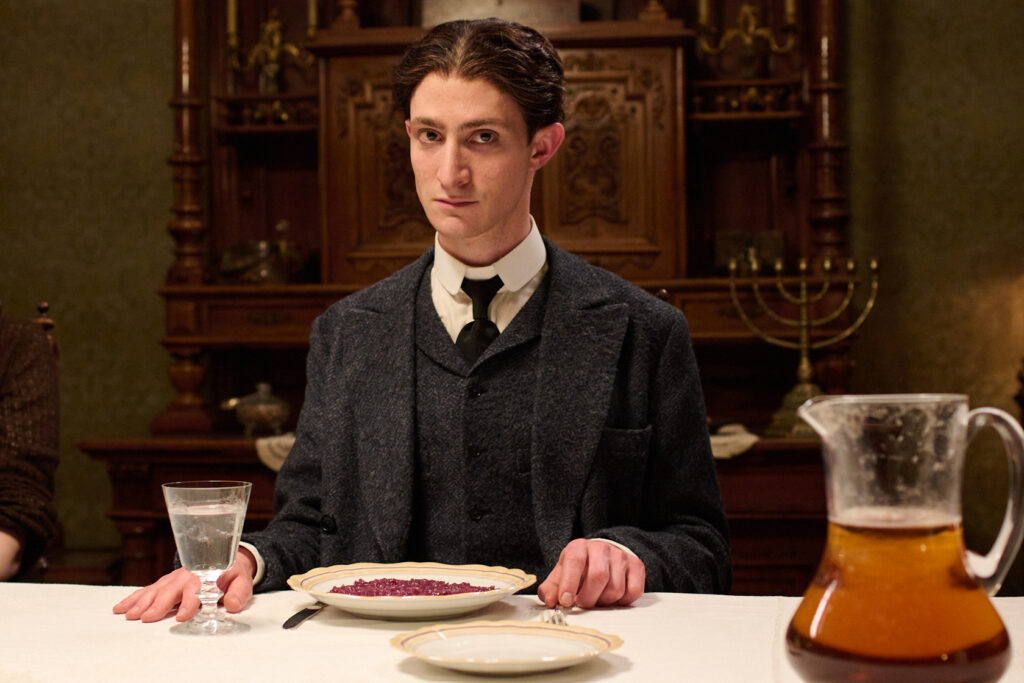
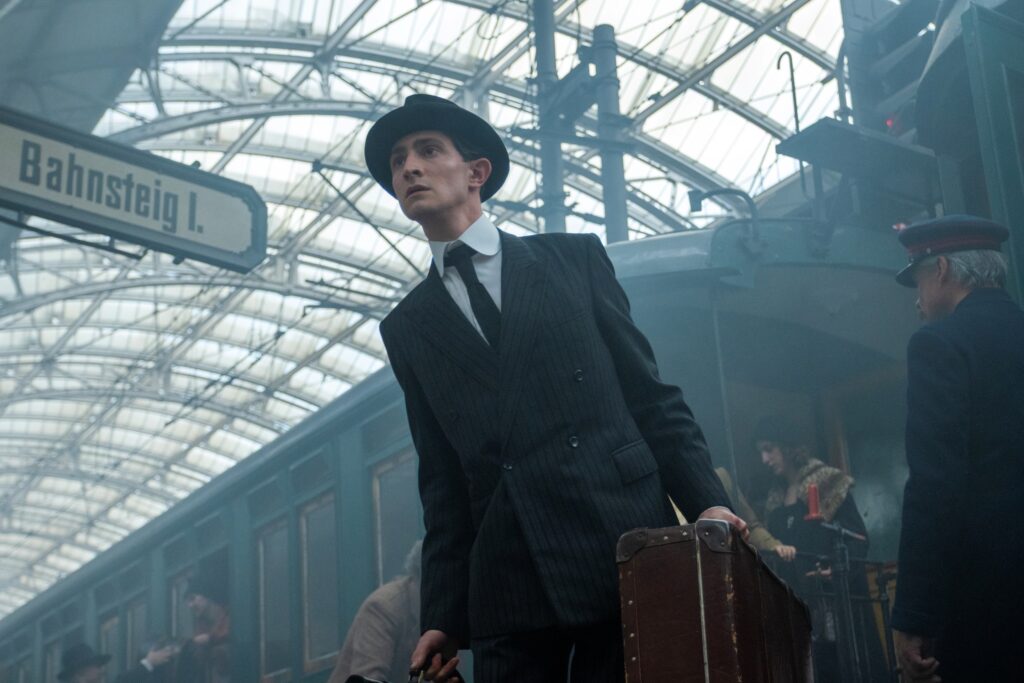
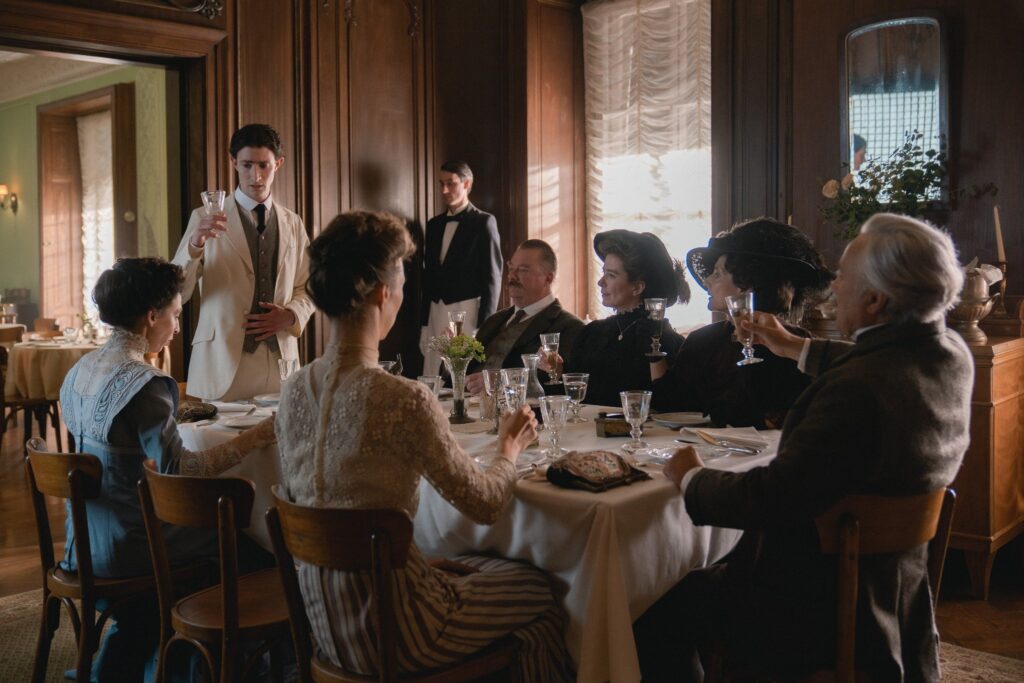
Award-winning director Agnieszka Holland is embarking on her most ambitious project to date, a biopic of the iconic 20th-century Czech writer Franz Kafka. Conceived as a kaleidoscopic mosaic, the film will follow the imprint Kafka left on the world from his birth in 19th-century Prague, to his death in post-WW1 Vienna. FRANZ will give the audience a brand new perspective on the life of the man behind the literary giant.
Statement of the director
I discovered Kafka while still in high school, and he soon became one of the key writers who inspired me the most-and then something more. His seemingly monotonous life without adventure, his introverted vision of the world full of black and painful humor, the consistency with which he blended literature and life, and the courage in his almost prophetic view of the world all fed my never-ending fascination. With his triple identity, self-irony and acute sensitivity, Kafka became an admired brother, fragile despite all his strength, who must be looked after.
One of the crucial reasons behind my decision to study in Prague was that it was Kafka's city (Prague never lets you go, this dear little mother has sharp claws ...), and my first steps there traced his footsteps. At that time, Prague was tourist-free and expressive in appearance; lichen and patina-dirty yellow, ochre-covered the Old Town houses and the synagogues. You can hardly imagine a more mysterious and photogenic film set.
The communists hated Kafka; they couldn't understand or comprehend him, but they felt that his books created a diagnosis that threatened their reality, and his metaphors seemed to mock them. The communist regime blacklisted him for a long time, and the Prague Spring began with a conference that brought Kafka back into Czech literature. The shy, insecure Kafka became a symbol of freedom, and I understood it as the freedom to ask questions with no answers and to share his bold, mercilessly pessimistic outlook on the world. The work of few writers, or artists in general, inspired so much analysis and interpretation. If we collected all the books, articles and doctoral theses on Kafka, we could fill a large library. Public interest in Kafka has not waned over time; on the contrary, it has grown recently and become a global phenomenon. The figure of the writer himself has become an alluring brand. After 1989, the city of Prague quickly realised that this brand could be commercially exploited: several Kafka monuments, a museum, cafés, fast food outlets, and tourist routes with Kafka's name on them sprouted around the city, and thousands of souvenirs are on offer: Kafka's face is on mugs, T-shirts, postcards, magnets or stamps. We also decided to include this aspect in our film-Kafka would be fond of irony and paradoxes.
The need to finally touch upon his mystery in my work made me accept the seemingly impossible challenge of telling the story of Franz Kafka's life, heart, work and vision. In 1981, I produced my adaptation of Kafka's "The Trial" for the Television Theatre with Laco Adamík. It remains one of my most rewarding creative adventures. I was arrogant enough at that time to think I understood Kafka well. Today I'm not so sure. What I do know is that I very much want to search for him and follow his traces. I also know that I can't tell his story in a conventional, linear, classical way; such a narrative would betray the more profound truth about Franz. I want to look for him in shards, riddles, feelings, in a concoction of facts, assumptions and imagination, in his dreams, his literature and his letters; I want to stand next to him in his fierce fight wit his father, with the world and the relentless expectations and demands of most of his loved ones, in his longing for love and ordinary, bourgeois life and his fear of it.
Review
Screen International Review